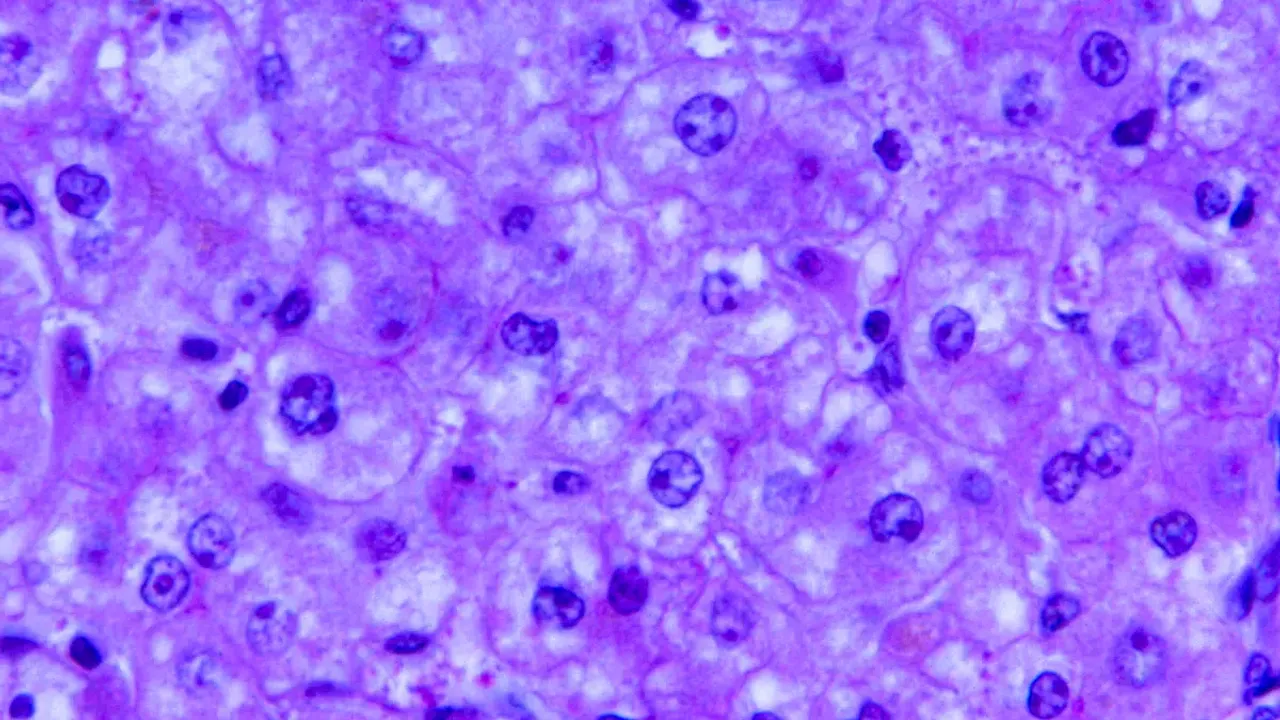
Liver Disease in Young People With Type 1 Diabetes: What a New Study Reveals
Researchers in India found that about 1 in 10 adolescents with Type 1 diabetes showed signs of liver disease on ultrasound. Understanding the connection could help protect young people's long-term health.
Evidence label explains the kind of source behind this article (for example peer-reviewed literature vs community video). It is not medical advice.
Key takeaways
- Liver disease occurred in about 10% of young people with Type 1 diabetes in this study, suggesting it's an important health concern that deserves more attention
- Higher waist circumference, lower physical activity, poor blood sugar control, and elevated triglycerides were linked to liver disease in this group
- Young people with liver disease required higher insulin doses and showed reduced insulin sensitivity, pointing to metabolic stress
- This research adds to growing evidence that Type 1 diabetes can affect the liver, not just the pancreas
A Growing but Overlooked Concern
When we think about Type 1 diabetes, we usually focus on blood sugar and insulin. But researchers are increasingly discovering that the liver—an organ that plays a major role in processing sugar and managing metabolism—can also be affected. A new study from western India examined 510 children and adolescents with Type 1 diabetes to see how common liver disease might be in this young population.
The researchers used ultrasound, a safe imaging technique, to look for signs of liver disease. They found that about 10.4%—roughly 1 in 10—of the young people studied showed ultrasound evidence of hepatopathy (medical term for liver disease). While this is a minority, it signals that liver involvement in Type 1 diabetes is real and clinically meaningful.
Who Is Most at Risk?
The study revealed a clear pattern: young people with liver disease differed from those without in several important ways. They tended to have larger waist circumference, higher blood pressure, and—notably—required higher doses of insulin to manage their blood sugar.
Blood sugar control itself mattered significantly. Those with liver disease had poorer glycemic control overall, meaning their blood sugar was less stable. They also had higher triglycerides (a type of blood fat) and signs of reduced insulin sensitivity—suggesting their bodies were having more difficulty responding to insulin. Additionally, they were less physically active and showed lower resting metabolic rates, even when accounting for insulin use.
What the Analysis Shows
When researchers used statistical modeling to tease apart which factors independently linked to liver disease, several stood out: higher waist circumference, higher insulin dose requirements, elevated triglycerides, poor glycemic control, lower levels of moderate-to-vigorous physical activity, and lower resting metabolic rate all showed significant associations.
This pattern suggests that liver disease in young people with Type 1 diabetes may be connected to broader metabolic challenges—not just blood sugar management, but also weight distribution, physical fitness, and how efficiently the body uses energy.
What This Means
This study, conducted in India, highlights an important gap in our current understanding of Type 1 diabetes in children and adolescents. Liver disease has historically received little attention in this population, despite growing evidence that it occurs. The findings suggest that liver health should be considered alongside traditional diabetes care.
The research points to modifiable factors—physical activity, blood sugar control, and weight management—that may play a protective role. However, this is one study in one region, and more research is needed to understand whether these patterns hold globally and what causes the connection between Type 1 diabetes and liver disease. If you or a young person in your care has Type 1 diabetes, it may be worth discussing liver health screening with your healthcare team.
Evidence label
Source: Endocrine. Evidence type: PubMed indexed literature. Type1Cure is an information and intelligence hub, not a medical advice service. This article summarizes published research and does not provide diagnosis, treatment, or personal medical guidance. Always talk to your own care team before changing anything about your Type 1 diabetes management.
Type1Cure is an information and intelligence hub, not a medical advice service. This article summarizes published research and does not provide diagnosis, treatment, or personal medical guidance. Always talk to your own care team before changing anything about your Type 1 diabetes management.
Related reading
More evidence-labeled coverage across the Type1Cure library.
- Causes & What We KnowPregnant Women with Diabetes Show Higher Rates of Toxoplasma InfectionPubMed indexed literature
- Causes & What We KnowExploring Rare Breast Inflammation: What BRCA Mutations and Type 1 Diabetes May SharePubMed indexed literature
- Causes & What We KnowUnderstanding Type 1 Diabetes: A Shift Toward Early InterventionPubMed indexed literature
- Causes & What We KnowHow Nutrition, Metabolism, and Immunity Connect: What the Lectin Pathway Tells UsPubMed indexed literature
- Causes & What We KnowLiver Changes in Cystic Fibrosis: What a New Study FoundPubMed indexed literature
- Causes & What We KnowWhy Do Finland and Sardinia Have So Much Type 1 Diabetes? Genetics Offers a New CluePubMed indexed literature