Find creators, research, trials, and explainers.
Search community creators, the full library, daily briefings, and live source records in one place.
REM Sleep and Blood Sugar Control: What New Research Reveals for Type 1 Diabetes
A study tracking sleep patterns and glucose levels in adults with Type 1 diabetes found that getting enough REM sleep may be connected to better blood sugar control and heart health markers.
What Happens After a Low: A New Drink Shows Promise for Faster Recovery
A small study found that a new beverage combining glucose and ketones may help people with Type 1 diabetes recover more quickly from low blood sugar and feel better afterward—but more research is needed.
New Pancreas Biomarkers Detected Early in Type 1 Diabetes Development
A long-term study identified measurable changes in pancreatic digestive enzymes months or even a year before Type 1 diabetes appears in at-risk children. These findings could eventually help researchers better understand how the disease develops.
New Study Reveals Sex and Weight Differences in Type 1 Diabetes Control in Young People
A large Canadian study found that teenage girls and young women had higher A1C levels than boys and men of the same age, with weight playing an additional role in blood sugar management.

When School Isn't Ready: How Mothers Navigate Type 1 Diabetes Care During the School Day
A new study from India reveals the hidden struggles mothers face when schools lack preparation for managing their child's Type 1 diabetes—and what schools need to do better.
How Insulin Doses May Affect Heart Rate Rhythm in Type 1 Diabetes
A new study finds that higher insulin doses are linked to changes in heart rate variability during sleep, independent of blood sugar levels. Researchers say this relationship warrants attention when adjusting insulin therapy.
How Exercise and a Bone-Building Drug May Work Together in Type 1 Diabetes
A new study in mice suggests that combining teriparatide—a medication that strengthens bones—with regular exercise may improve muscle structure in type 1 diabetes. Researchers are exploring whether this combination could help protect muscle health.
Empagliflozin and Type 1 Diabetes: What People With T1D Should Know
Empagliflozin is a medication that works differently than insulin, but it carries an important safety concern for people with Type 1 diabetes. Here's what the research shows about its use in T1D.
Advanced Insulin Pump Technology Shows Long-Term Cost Benefits for People With Type 1 Diabetes in Japan
A new analysis suggests that automated insulin delivery systems may reduce overall healthcare costs over time, even though the devices themselves cost more upfront than traditional insulin injections.

A New Tool for Understanding Type 1 Diabetes: Safer Lab Models of Beta Cell Damage
Researchers have developed a more precise way to study how pancreatic beta cells are damaged in Type 1 diabetes, using light-activated molecules instead of toxic chemicals. This advance could help scientists better understand the disease without relying on older, less specific methods.
Regenerating Insulin-Producing Cells: What Preclinical Research Reveals About a New T1D Strategy
Scientists are exploring ways to help the pancreas regrow its own insulin-producing cells rather than replacing them. A new review examines which approaches show the most promise in laboratory and animal studies.
New Research Reveals Type 1 Diabetes in Adults May Not Be One Single Disease
A large study from Germany identified distinct subtypes of adult-onset Type 1 diabetes based on genetic, immune, and metabolic differences. Understanding these subtypes could help researchers better predict disease progression and tailor care.
New Research Reveals How Type 1 Diabetes Affects the Placenta During Pregnancy
Scientists have identified distinct changes in placental cells circulating in the blood of pregnant people with Type 1 diabetes. Understanding these changes may help explain why pregnancies with T1D can carry higher health risks for both mother and baby.
How Digital Platforms Could Reshape Type 1 Diabetes Care for Kids
Researchers are testing a new digital platform that combines glucose data, patient information, and clinical tools to see if it helps young people with Type 1 diabetes and their care teams manage the condition more effectively.
New Clinical Trials Offer Opportunities to Advance Type 1 Diabetes Research
Several investigational treatments are now recruiting participants in the Pacific Northwest. Here's what you need to know about getting involved in clinical research.
Automated Insulin Delivery in Older Adults: Why Time in Range Alone Isn't the Whole Story
New research challenges the assumption that maximizing time in range should be the primary goal for all older adults using automated insulin delivery systems. Experts say individual health factors matter just as much.
Automated Insulin Delivery Systems for Older Adults: What the Evidence Shows
As more people with Type 1 diabetes live longer, researchers are asking whether automated insulin delivery systems work as well in older adults as they do in younger populations. A new review of the evidence reveals both promise and important gaps in what we know.
How Gut Bacteria May Influence Type 1 Diabetes: What Research Shows
Scientists are learning that the trillions of microorganisms living in our gut play a role in both type 1 and type 2 diabetes. Early research suggests changes in gut bacteria may affect how our bodies handle glucose and respond to infection.
One Health System Found a Way to Get More Young People on Insulin Pumps—And Kept Disparities in Check
A quality improvement project at a pediatric health system increased insulin pump use among youth with Type 1 diabetes from 56% to 65% in 18 months. The work offers lessons on removing barriers to technology access while working to close gaps based on race, ethnicity, and insurance.
The Race for Type 1 Diabetes Solutions: Where Science Stands in 2026
Stem cell therapies and immune engineering are showing real promise in early trials, with some patients reaching insulin independence. But significant hurdles remain before these approaches become widely available.
Early Screening for Type 1 Diabetes Shows Promise Across Europe
New research demonstrates that islet autoantibody screening can identify people in the early stages of Type 1 diabetes before symptoms appear. This advance could open doors to earlier intervention strategies.
Telehealth Therapy Helps Young Adults With Type 1 Diabetes Feel More Confident and Less Stressed
A new study shows that occupational therapy delivered online can reduce emotional burden and boost self-efficacy in young adults managing type 1 diabetes—with benefits that last a year or longer.

Psychiatrist-Researcher Dr. Sharon Yeung Explores How Mental Health Shapes Type 1 Diabetes Outcomes
A new Breakthrough T1D fellowship recipient is studying the connection between psychiatric conditions and diabetes management across a person's lifetime—work that could lead to better integrated care.
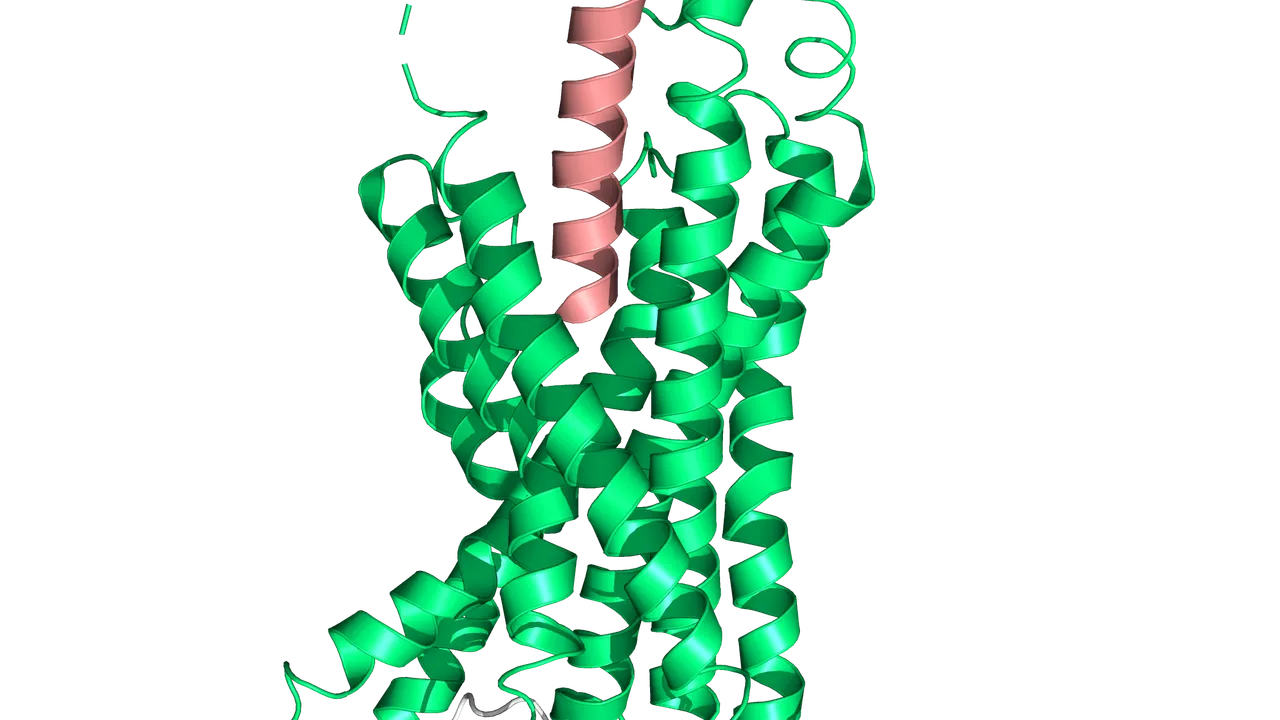
GLP-1 and Tirzepatide in Type 1 Diabetes: What the Evidence Shows About Weight, Insulin, and Safety
New medications that reduce appetite and blood sugar are being studied for adults with Type 1 diabetes who also struggle with weight. Researchers say they can work—but only with careful monitoring and the right patients.
How Accurate Is Your CGM's HbA1c Estimate? New Research Compares Three Major Sensors
A new study tested whether glucose management indicators (GMI)—estimates of HbA1c based on continuous glucose monitor data—match actual lab results across Dexcom, MiniMed, and Abbott sensors. The findings show all three perform similarly, with small differences that don't significantly affect clinical decisions.
Acetaminophen and Exercise Performance in Type 1 Diabetes: What New Research Shows
A small study found that acetaminophen may affect muscle fatigue differently in people with Type 1 diabetes compared to those without diabetes during intense exercise. Here's what the findings mean.
What's Holding Back Type 1 Diabetes Screening in Canada?
A new national study reveals that while Canadian clinics are ready to care for newly diagnosed patients, most lack the resources to support people identified as at-risk—a key gap as screening programs expand beyond families.
A New Type of Immune Cell Shows Promise in Restoring Tolerance to Type 1 Diabetes
Researchers discovered that a specific class of regulatory T cells called CD8+CD122+ Tregs can suppress the autoimmune attack in Type 1 diabetes. People with Type 1 diabetes have fewer of these protective cells, suggesting they may be a promising target for future treatments.
Zimislecel: What We Know About Vertex's Stem Cell Therapy for Type 1 Diabetes
Vertex's investigational stem cell therapy zimislecel (VX-880) has shown early promise in clinical trials, but it remains years away from potential FDA approval. Here's where the research stands and what families should know.
What ZnT8 Autoantibodies Tell Us About Type 1 Diabetes in Young People
A new study from Korea shows that zinc transporter 8 autoantibodies are a reliable marker of Type 1 diabetes in children and adolescents, appearing in nearly 75% of newly diagnosed patients. These findings add to our understanding of how the immune system attacks the pancreas in Type 1 diabetes.
How Insulin Works and Why Research Is Racing to Restore Beta Cells
Type 1 diabetes silently destroys the cells that make insulin. We explain how insulin replacement works today, why tight glucose control matters, and what early stem cell research is beginning to show about restoring those cells.
Czechia Launches First Large-Scale Type 1 Diabetes Screening Program for Children
The Betty project is testing thousands of Czech children for early signs of Type 1 diabetes, before symptoms appear. Early detection could help identify children at risk and offer them timely monitoring and support.
Once-Weekly Insulin Icodec: What You Need to Know About This Long-Acting Option
A new insulin designed for once-weekly injection is being studied for both Type 1 and Type 2 diabetes. Here's what early research shows about how it works and what to expect.

Can a Mother's Autoimmune Disease During Pregnancy Affect a Child's Type 1 Diabetes Risk?
A large Swedish study examined whether maternal autoimmune conditions during pregnancy influence whether children develop Type 1 diabetes, and compared this risk to paternal factors.
Transplanted Stem Cell Islets Show Promise in Early Mouse Studies—Here's What Matters
New research tracks how lab-grown insulin-producing cells mature after transplant and identifies key factors that influence their success. The findings could help improve future stem cell treatments for Type 1 diabetes.
Understanding the Immune System's Role in Type 1 Diabetes
Type 1 diabetes involves multiple types of immune cells working together to attack insulin-producing cells. New research is revealing how these immune processes work—and opening doors to better treatments.
The Hidden Messengers: How Environment May Influence Type 1 Diabetes Risk
Researchers are investigating whether tiny molecules called microRNAs could be the missing link between environmental exposures and Type 1 diabetes development. While this theory is still being tested, it offers a new way to understand why some people develop the condition.
What Youth and Families Think About Type 1 Diabetes Screening: A New Study
Researchers asked young people and caregivers about their experiences with autoantibody screening—tests that can identify risk of Type 1 diabetes before it develops. Their answers reveal what matters most to families during the monitoring process.
Exploring Rare Breast Inflammation: What BRCA Mutations and Type 1 Diabetes May Share
Researchers are investigating possible links between hereditary breast cancer genes and a rare inflammatory breast condition historically tied to Type 1 diabetes. Understanding these connections may reveal new insights into autoimmune and genetic risk factors.
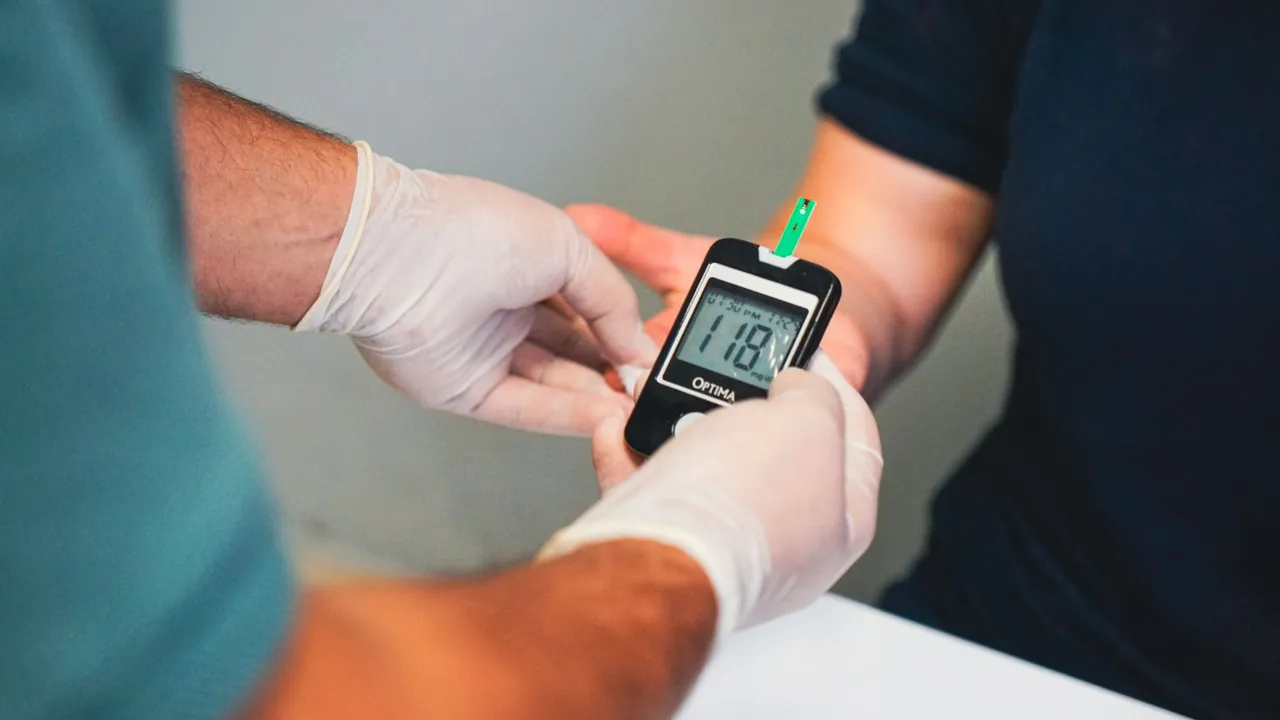
New Research Reveals How Immune Cells Go Wrong in Type 1 Diabetes
Scientists have discovered that regulatory T cells—the immune cells meant to protect the pancreas—become unstable and inflammatory in Type 1 diabetes. Understanding these changes could help researchers develop better therapies.
New Tool Helps Doctors Spot Caregiver Stress in Young Children With Type 1 Diabetes
A study shows that screening parents and guardians for diabetes-related stress is important—and that advanced insulin technology doesn't automatically reduce the emotional burden of managing a young child's care.
Celiac Disease in French Children: What New Research Reveals
A comprehensive study of French health records shows celiac disease affects fewer children in France than in other European countries, but the condition remains an important screening consideration for Type 1 diabetes.
Closed-Loop Insulin Pumps Show Promise for Managing Type 1 Diabetes in Pregnancy
A new clinical trial found that closed-loop insulin systems help pregnant women with type 1 diabetes spend more time in safer blood sugar ranges. Here's what the research shows about this technology during pregnancy.
Remote Monitoring Cuts Clinic Visits in Half Without Compromising Blood Sugar Control
A real-world study shows that people using automated insulin pumps can receive effective care through telemonitoring instead of frequent in-person appointments. Blood sugar outcomes stayed the same while doctor visits dropped significantly.
Does an Automated Insulin Pump System Pay Off? What a Hong Kong Study Found
Researchers analyzed whether the MiniMed 780G automated insulin delivery system offers better value than traditional insulin injections plus glucose monitoring over decades. Here's what the data showed.
Study Finds Depression More Common in Type 1 Diabetes Than Type 2
A new research study from Kosovo reveals that people with Type 1 diabetes report higher levels of depressive symptoms than those with Type 2 diabetes. Understanding this mental health connection may help improve diabetes management and quality of life.
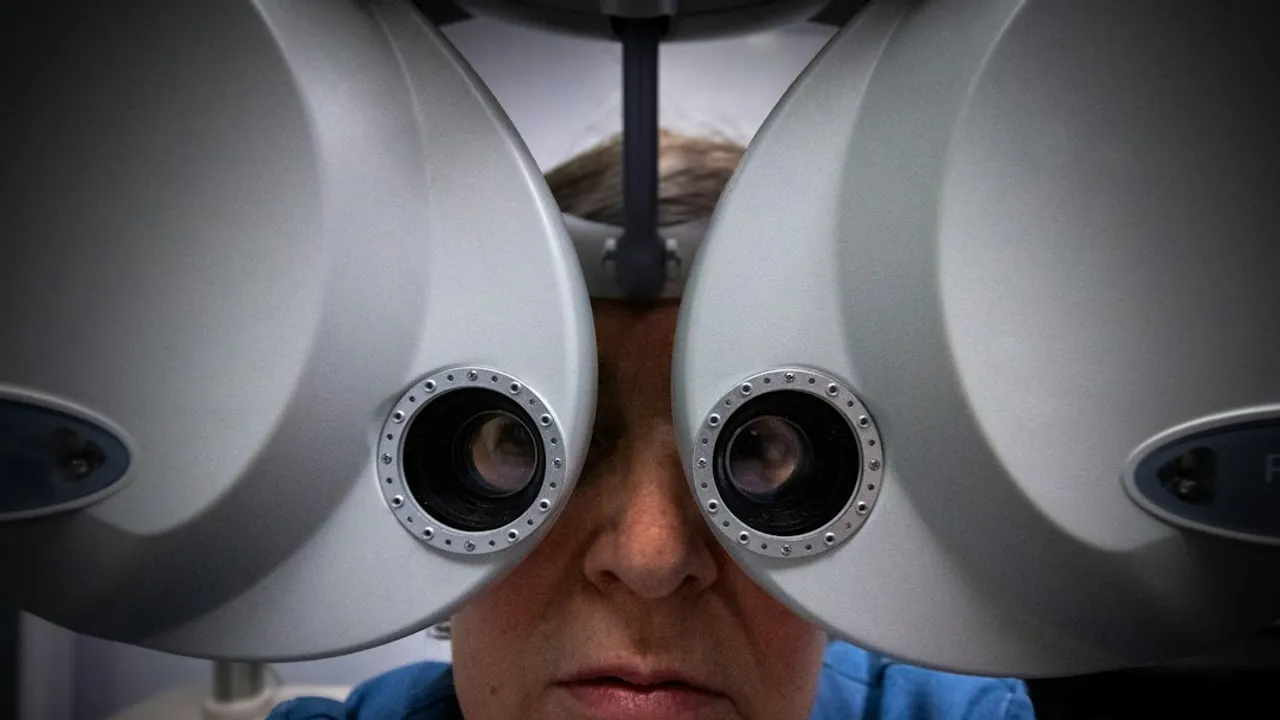
New Eye Technology Detects Subtle Blood Vessel Changes at Type 1 Diabetes Diagnosis
A study using advanced imaging found that children newly diagnosed with Type 1 diabetes show early changes in the small blood vessels in their eyes, even before any visible damage appears. This discovery could help doctors monitor eye health from the start of diagnosis.
Why Some Young People with Type 1 Diabetes Keep Making Insulin Years Later
A new study shows that about one-third of children with long-standing Type 1 diabetes still have working insulin-producing cells. Two factors—how much insulin was present at diagnosis and how long ago the diagnosis occurred—appear to be the strongest predictors of who keeps this residual function.
New Approach Uses Modified Stem Cells to Calm Immune Attack in Type 1 Diabetes
Researchers found that stem cells engineered to produce a specific immune-regulating protein delayed diabetes onset and protected insulin-producing cells in laboratory studies. The findings point to a potential new direction for immune-based therapies, though human testing is still needed.
The Autoimmune Attack May Start Years Before Diagnosis
Type 1 diabetes develops through stages, and the immune system can begin attacking insulin-producing cells long before symptoms appear. Understanding this timeline is opening new possibilities for early detection and intervention.
How AIRE Protein Protects Against Type 1 Diabetes—and What Happens When It Fails
A new study reveals how a key immune regulator called AIRE helps train the thymus to prevent autoimmunity. When AIRE is missing, this protective training breaks down and type 1 diabetes develops faster.
COVID-19 and Type 2 Diabetes: What a Large Study Found
A new analysis of millions of people shows SARS-CoV-2 infection was linked to a higher risk of developing type 2 diabetes, though the connection varied by COVID variant. The findings add to our understanding of how COVID-19 may affect metabolism.

What Really Drives People With Type 1 Diabetes to Move (or Rest)
A new study reveals that midlife adults with Type 1 diabetes experience conflicting motivations about exercise. Understanding these competing feelings—not willpower alone—may help people find movement that actually fits their lives.
Getting Care for Type 1 Diabetes: What Professionals Say Is Broken—and How to Fix It
A new study asked doctors, therapists, and social workers across Germany about caring for children with chronic conditions like Type 1 diabetes. What they found: the system is fragmented, hard to navigate, and leaves many families behind.
Scientists Engineer Stem Cell Islets to Survive the Immune System—Here's How
Researchers are using gene editing to create insulin-producing cells that can evade immune attack and withstand the stress of Type 1 diabetes. Early research suggests this approach could make stem cell transplants more durable.
New Bispecific Therapy for Type 1 Diabetes Enters First Human Trial
Immunocore has dosed the first patient in an early-stage study of IMC-S118AI, an experimental immune-targeted treatment designed for people with a specific genetic marker. Here's what we know so far.
When Type 1 and Type 2 Diabetes Features Overlap: Understanding Hybrid Diabetes
Researchers are uncovering a more complex diabetes landscape where autoimmune and metabolic features can coexist in the same person. Understanding these hybrid forms may help identify people at risk earlier and guide better treatment approaches.
How Ganoderma Lucidum May Help Protect the Heart in Diabetes
A new study examines whether polysaccharides from a medicinal fungus could reduce heart damage in both type 1 and type 2 diabetes by calming inflammation.

New Trial Opens Islet Transplants to People with Type 1 Diabetes and Kidney Disease
A clinical trial is testing tegoprubart, a targeted immunotherapy, alongside islet cell transplants in people with type 1 diabetes who also have reduced kidney function—a group previously excluded from this treatment.
New Trial Opens Islet Cell Transplants to People with Type 1 Diabetes and Kidney Disease
For the first time, a clinical trial is testing islet cell transplantation in people living with both type 1 diabetes and chronic kidney disease. The study uses a gentler immunosuppressive drug designed to reduce kidney damage.
A New Blood Test May Help Catch Kidney Problems Early in Children with Type 1 Diabetes
Researchers are studying a protein called clusterin that appears in urine and could help doctors identify kidney damage before symptoms develop. Early detection could change how we monitor kidney health in young people with Type 1 diabetes.
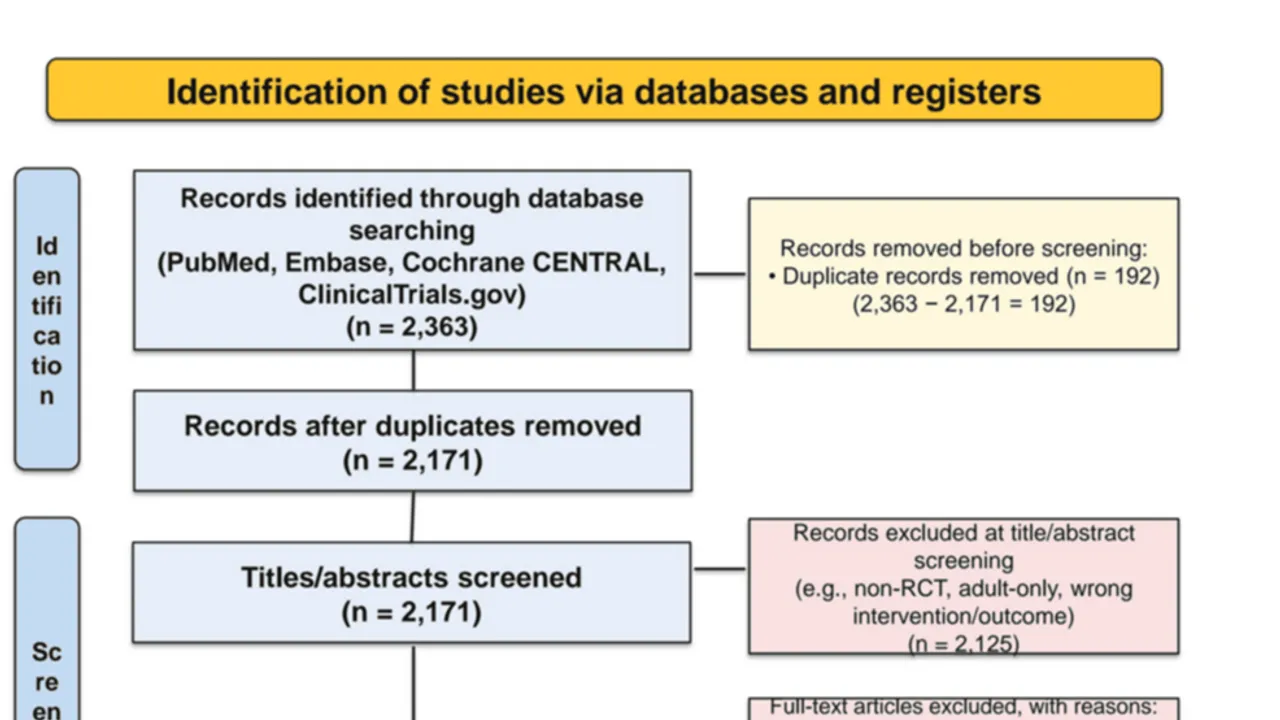
How Automated Insulin Delivery Systems Are Changing Type 1 Diabetes Management
Recent research shows that automated insulin delivery systems help people with Type 1 diabetes spend more time in their target glucose range. Here's what the evidence reveals about how these systems work and who benefits most.
Blocking TIM-4 Restores Blood Sugar Control in New-Onset Type 1 Diabetes—in Mice
Researchers found that targeting a protein called TIM-4 reduced the autoreactive immune cells attacking the pancreas and restored normal blood sugar levels in newly diabetic mice. The findings suggest a potential new approach to treating Type 1 diabetes.
Modern Insulin Therapy May Help Children with Type 1 Diabetes Grow Normally
A new study finds that children with Type 1 diabetes who receive modern insulin treatment grow and develop similarly to children without diabetes, suggesting that advances in care have reduced growth concerns that once worried families.
Managing Type 1 Diabetes in Very Young Children: What the Latest Research Shows
New technology and thoughtful care strategies are helping families of preschoolers with Type 1 diabetes achieve better blood sugar control and less worry. Here's what parents and caregivers need to know.
Why Beta Cells Matter: New Clues About Vulnerability in Type 1 Diabetes
Researchers have discovered that the structure and organization of insulin-producing cells in the pancreas play a key role in determining which cells are attacked first in Type 1 diabetes. Understanding these differences could help explain why the disease progresses differently in different people.
How Breakthrough T1D Brings Communities Together in the Fight Against Type 1 Diabetes
Breakthrough T1D is mobilizing support across North Texas through benefit walks and community gatherings. These events fund research and provide resources for families navigating Type 1 diabetes.
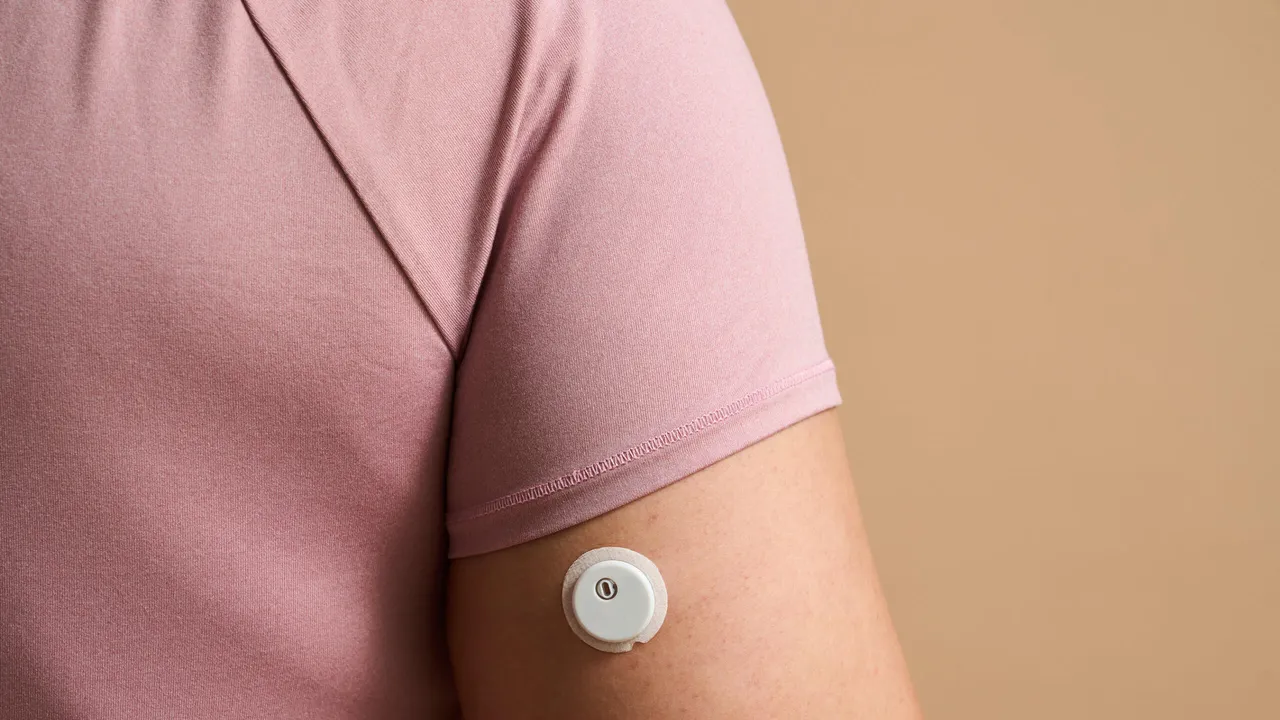
A New Tool for Ketone Monitoring: What the FDA Approval Means for Type 1 Diabetes
The FDA recently approved the first device that continuously monitors both glucose and ketones, offering people with Type 1 diabetes a new way to detect dangerous ketone levels early. Here's what you need to know.
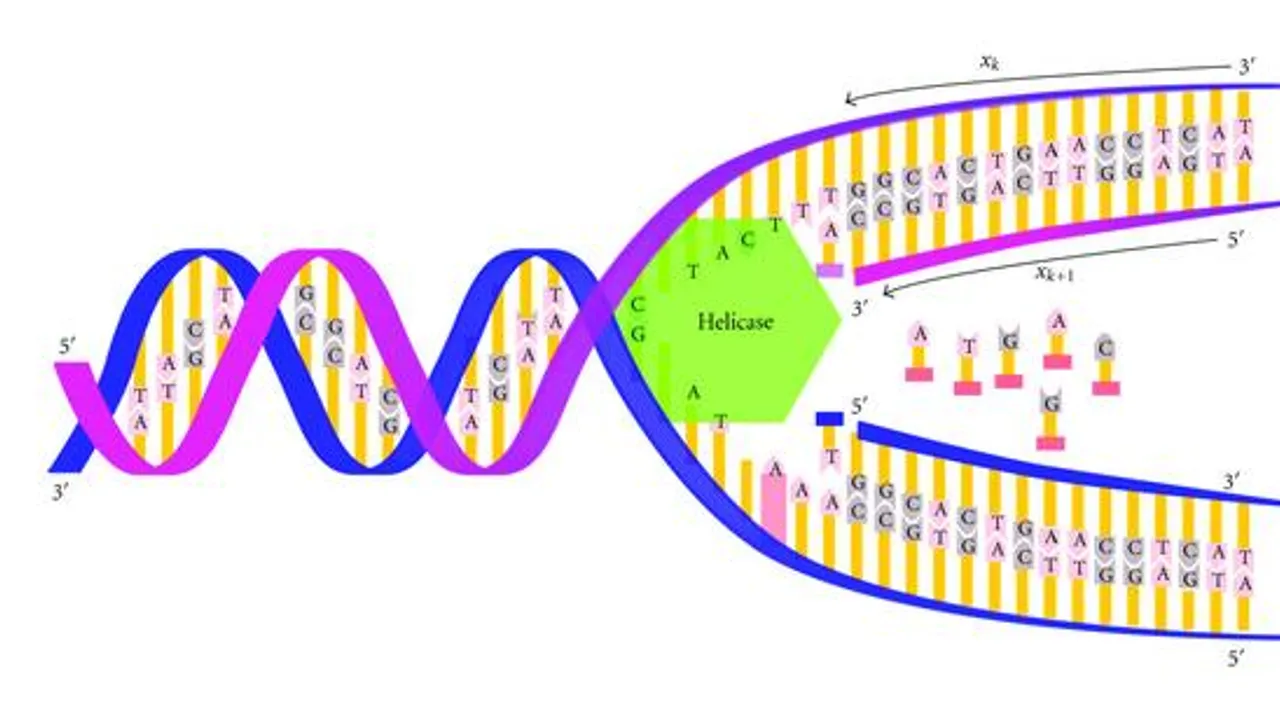
Scientists Develop a More Stable Form of Glucagon to Treat Severe Low Blood Sugar
Researchers have created a new way to keep glucagon stable in liquid form for months at room temperature. This breakthrough could make it easier for people with Type 1 diabetes to treat dangerous low blood sugar episodes.
What New Pancreas Studies Reveal About How Type 1 Diabetes Develops
Researchers studying human pancreatic tissue are uncovering a more detailed picture of type 1 diabetes—one where insulin-producing cells begin to fail earlier and differently than once thought, and immune problems show up even before blood sugar rises.
New Framework Aims to Catch Type 1 Diabetes Earlier Through Screening
A national group of diabetes experts has developed practical guidance for identifying Type 1 diabetes in its earliest stages, before symptoms appear. Early detection opens the door to education, support, and potential disease-modifying treatments.
Reading the Metabolic Code: How Scientists Are Uncovering Type 1 Diabetes' Hidden Signals
New technology can detect metabolic changes in people with Type 1 diabetes, and sometimes even before symptoms appear. These discoveries could eventually help doctors diagnose the disease earlier and tailor treatments more precisely.
Closed-Loop Systems Show Promise for Pregnant People With Type 1 Diabetes
A new clinical trial found that automated insulin delivery systems help pregnant women with type 1 diabetes spend more time in healthy blood sugar ranges. This could reduce serious pregnancy complications that affect about half of all pregnant people with type 1 diabetes.

Low-Carb Eating Patterns May Lower Heart and Stroke Risk in Type 1 Diabetes
A new study from Japan suggests that adults with Type 1 diabetes who follow low-carbohydrate eating patterns—especially plant-based ones—had fewer heart attacks, strokes, and other serious cardiovascular events.
Spain Launches Framework for Earlier Type 1 Diabetes Detection Before Symptoms Appear
New clinical guidelines aim to identify people in the autoimmune stage of Type 1 diabetes years before they develop symptoms. The framework standardizes screening and monitoring to catch the disease earlier and improve long-term outcomes.
When Type 1 Diabetes and Celiac Disease Occur Together, Antibody Recovery Takes Longer
A new study shows that children diagnosed with both Type 1 diabetes and celiac disease take significantly longer for their celiac antibodies to return to normal levels compared to children with celiac disease alone.
How You Spend Your 24 Hours May Affect Blood Sugar Swings in Type 1 Diabetes
A new study suggests that shifting time between sleep, sitting, and activity levels could influence how stable your glucose readings stay throughout the day.

When Baby Screening for Type 1 Diabetes May Show False Positives: What Parents Should Know
New research reveals that antibody tests in infants can pick up maternal antibodies passed during pregnancy, potentially leading to unnecessary worry. Screening at a later age may give clearer answers.
New Study Maps Autoantibody Patterns in Adult-Onset Type 1 Diabetes
Researchers tracked autoantibodies in adults before Type 1 diabetes diagnosis, finding that detectable immune markers can appear decades earlier. The findings could help identify who is at risk.
How Anxiety and Sleep Shape Diabetes Self-Care in Teens
A new study reveals that anxiety and poor sleep quality are closely linked to how well adolescents manage their type 1 diabetes day-to-day. Understanding these connections may help teens and families find better support.